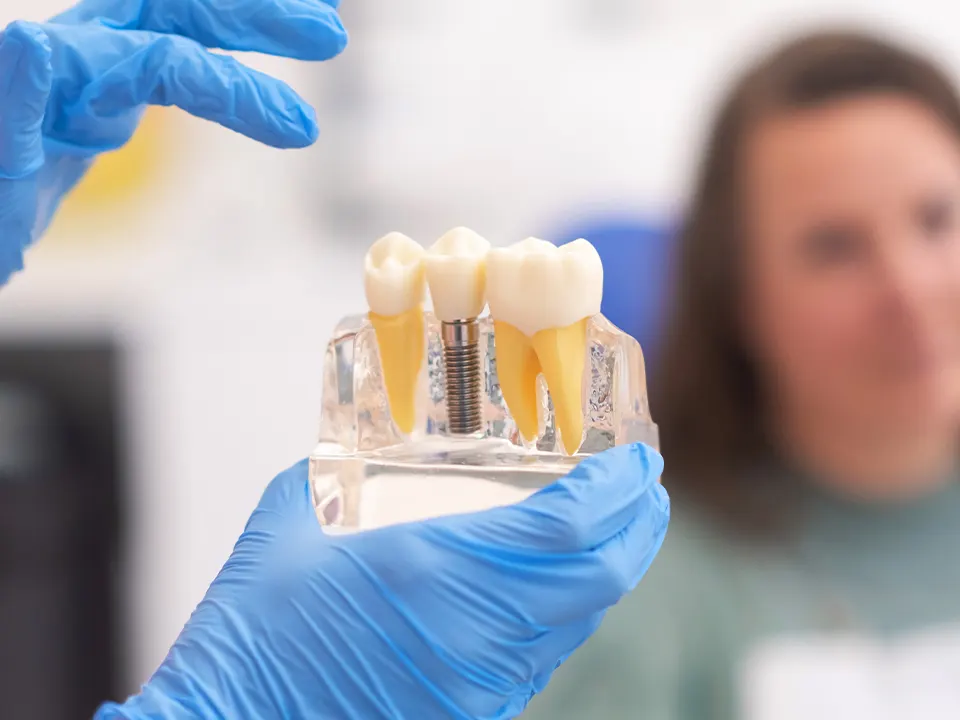
What Are Dental Crowns, and When Are They Used?
August 14, 2025
Tooth Pain After a Filling or Crown: What’s Normal and What’s Not
January 15, 2026Tooth sensitivity can show up in many ways. For some people, it feels like a sharp zap of pain when cold air hits their teeth. Others feel a dull ache when they drink hot coffee or eat sweets. No matter how it shows up, sensitivity can be frustrating and, sometimes, a sign that something deeper is going on.
If you’ve wondered why teeth are sensitive, you’re not alone. Studies suggest that more than one-third of adults deal with sensitivity at some point. The pain may come and go, but it can affect day-to-day comfort, what you eat, and even how you brush.
This guide breaks down what causes tooth sensitivity, how enamel erosion and sensitivity are linked, what you can do at home, and when to seek help.
Why Teeth Become Sensitive
To understand teeth sensitivity, it’s all in how a tooth is constructed.
With any healthy tooth, under the hard outer enamel is a layer called dentin. Dentin contains tiny tubes that lead to the nerve inside the tooth. When dentin becomes exposed, sensations like cold, heat, or sweets reach the nerve more easily. This is what creates that sudden, sharp pain.
Many people assume sensitivity means a cavity. Sometimes it does, but often the problem is more about weakened enamel or exposed roots. Cold sensitivity in teeth commonly points to exposed dentin, while heat sensitivity can suggest deeper inflammation.
Common Causes of Tooth Sensitivity
Sensitivity almost always ties back to one of a few main issues. These problems make dentin easier to access or irritate the nerve inside the tooth.
Enamel Erosion
Enamel is strong, but it can wear down over time. Acidic foods, frequent snacking, or brushing too hard can thin it out. When enamel gets thin, the dentin underneath becomes easier to trigger.
Some everyday habits can speed up enamel erosion without people realizing it. Sipping carbonated drinks throughout the day keeps acids in contact with enamel for too long. Grinding teeth at night can also weaken enamel, even if you don’t feel it happening.
Exposed Tooth Roots from Gum Recession
Gums protect the roots of your teeth. When gums pull back, the root surface becomes exposed. This surface has no enamel at all, which makes it very sensitive to temperature changes. Gum recession can happen from brushing too hard, gum disease, or even natural aging.
Tooth Decay
Cavities can create pathways to the nerve. Even small areas of decay can lead to sudden pain. If your tooth hurts without eating or drinking anything, decay may be the cause.
Worn or Damaged Dental Work
Old fillings, cracked teeth, or loose crowns can expose dentin or irritate the nerve. A tiny crack can cause big pain when pressure or temperature changes hit the tooth, resulting in having to schedule an emergency dental appointment.

Is Tooth Sensitivity Serious?
Not always. Mild sensitivity is common and often manageable with home care. But if the pain is sharp, persistent, or getting worse, it’s important to find the cause. Sensitivity can sometimes point to infections, fractures, or active gum disease.
A good rule of thumb: if sensitivity lasts longer than a few weeks, or if everyday tasks feel uncomfortable, an exam can help narrow down the cause and stop the discomfort from growing.
Foods That Can Make Sensitivity Worse
While food doesn’t usually cause sensitivity on its own, it can make the symptoms stronger. A few examples include:
- Citrus fruits, tomatoes, vinegar-based foods
- Ice water, frozen desserts, or very hot drinks
- Hard foods that can worsen cracks or chips
These foods stimulate dentin or weaken enamel. Cutting back on them for a few weeks can help people tell whether their habits are making things worse.
How Gum Recession Causes Sensitivity
Gum recession exposes the root surface, which is not meant to be open to temperature, pressure, or acidic foods. The root contains cementum, a thin layer that wears away easily. Once cementum is gone, dentin is left exposed. This is why many adults notice more sensitivity as they get older. Even if the gums look “mostly fine,” a small amount of recession can make a big difference.
How to Reduce Tooth Sensitivity at Home
Home care can be very effective for mild cases of teeth sensitivity. While it won’t fix major problems like decay or cracks, it can protect enamel and calm irritated nerves.
Switch to a Desensitizing Toothpaste
This is one of the simplest and most effective steps. Desensitizing toothpaste benefits include blocking triggers from reaching the nerve and strengthening enamel over time. Most people see improvement within two to four weeks of regular use. Look for ingredients like potassium nitrate or stannous fluoride.
Use a Soft-Bristle Toothbrush
Brushing too hard is one of the top causes of enamel wear. A soft brush and light pressure protect the surface of your teeth and your gums.
Try Fluoride Rinses
Fluoride helps rebuild weak enamel and reduce sensitivity. Over-the-counter rinses are easy to add to your routine and offer a quick, protective boost.
Avoid Over-Acidic Habits
Simple changes can go a long way:
- Limit soda and sports drinks
- Don’t brush right after acidic meals
- Sip water throughout the day
These steps help keep enamel strong and reduce irritation.
How to Stop Sharp Tooth Pain from Sensitivity
When pain strikes suddenly, it can be hard to think clearly. Applying gentle pressure with your tongue, sipping room-temperature water, or avoiding temperature extremes for a day or two can help. But sharp pain that lingers usually points to something more than simple sensitivity. That’s when a full dental exam becomes important.
When Cold or Hot Sensitivity Needs Treatment
Not all sensitivity responds to home care. If you feel pain every time you drink something cold, or if hot drinks are becoming hard to tolerate, it may be time for a professional treatment. Hot sensitivity especially can be a sign that the nerve is inflamed.
A dentist can examine enamel thickness, root exposure, cavities, or fractures. With the right diagnosis, the treatment plan becomes much clearer.
Dental Treatments for Sensitive Teeth
Professional treatments depend on what’s causing the sensitivity. Some of the most common options include:
Fluoride Treatments
A high-strength fluoride varnish can reinforce weak enamel and reduce pain quickly. It’s one of the fastest ways to ease discomfort.
Bonding or Covering Exposed Roots
If gum recession is the cause, bonding materials can shield the exposed area and protect the dentin underneath.
Replacing Old Fillings
Worn fillings can leak or open gaps. Replacing them seals the tooth and stops the nerve from reacting.
Treating Underlying Decay or Cracks
If a cavity or crack is present, repairing it usually resolves the pain. This may involve fillings, crowns, or other restorative steps.
In Severe Cases
If the nerve is infected or too damaged, a root canal may be needed. While it sounds intimidating, it usually stops pain immediately because the nerve is treated.
Protect Your Teeth and Improve the Comfort of Your Teeth
Tooth sensitivity can be annoying, but it doesn’t have to control your daily routine.
Understanding the causes and taking small steps at home can make a big difference. If the pain keeps coming back or gets worse, professional treatment can help restore comfort and protect your teeth.
If sensitivity is affecting your day-to-day life, contact us. Through one of our front-line team members, we encourage you to book a visit with Ovation Dental to find out what’s causing it and get a plan that brings real relief.